

 Jump Back

In Focus: Technology Talent Strategies & Insights (Ireland) – Q2 2026
In Focus: Technology Talent Strategies & Insights is a quarterly deep dive into Ireland’s private sector technology talent landscape. Drawing on LinkedIn data, proprietary Barden insights, and leading industry sources, this report is designed to equip technology leaders with the clarity and strategies needed to compete in an evolving and increasingly complex hiring market.
#1 Hiring Market: Confident but More Targeted
After a period of volatility throughout 2025, Ireland’s technology hiring market has entered 2026 in a more stable but more selective position.
ManpowerGroup Ireland’s Net Employment Outlook (NEO) shows confidence in the IT sector rebounding strongly from +28% in Q2 and +29% in Q3 2025 to +43% in Q4 and now reaching +44% in Q2 2026.
Employer sentiment has strengthened, supported by continued multinational investment and sustained demand for digital transformation. However, hiring behaviour has shifted. Organisations are no longer rapidly scaling teams; instead, they are prioritising targeted, high-impact hires aligned with strategic business needs. There is a growing emphasis on demonstrated technical capability, commercial impact, and adaptability.
As a result, the market has become more balanced than in previous years; however, critical skill shortages persist, particularly in specialised and emerging areas of technology.
#2 Tech Job Postings
Job postings data reinforces this shift, pointing to a market that is stable in volume but changing in composition.
According to Indeed Hiring Lab, overall job postings in Ireland remain around 7% above pre-pandemic levels in early 2026, with volumes broadly stable since mid-2025.
However, not all roles are recovering evenly. Some technology functions (particularly IT infrastructure, operations, and support) continue to track below pre-pandemic levels, reflecting a more selective and efficiency-driven hiring approach.
Geographically, Dublin remains slightly behind the national trend, with job postings still approximately 12% below baseline, but levels have stabilised over the past 12-18 months.
At the same time, the structure of demand is evolving. A growing number of roles now require advanced or emerging capabilities, with AI, data, cybersecurity, and cloud skills increasingly embedded across job descriptions. Around 11% of job postings in Ireland now reference AI, highlighting how rapidly these capabilities are becoming mainstream.
Flexible working also remains a defining feature. Mentions of remote and hybrid work have risen to around 19-20% of all postings, more than four times pre-pandemic levels, with tech roles continuing to lead in offering location flexibility.
Overall, job postings in Q2 2026 reflect a market that is no longer driven by volume hiring, but by precision – where demand is concentrated in niche skills, specific roles, and increasingly distributed locations.
#3 Gender Representation
Gender participation in the Irish technology sector remains male-dominated, with 73% of workers being male and 27% female.
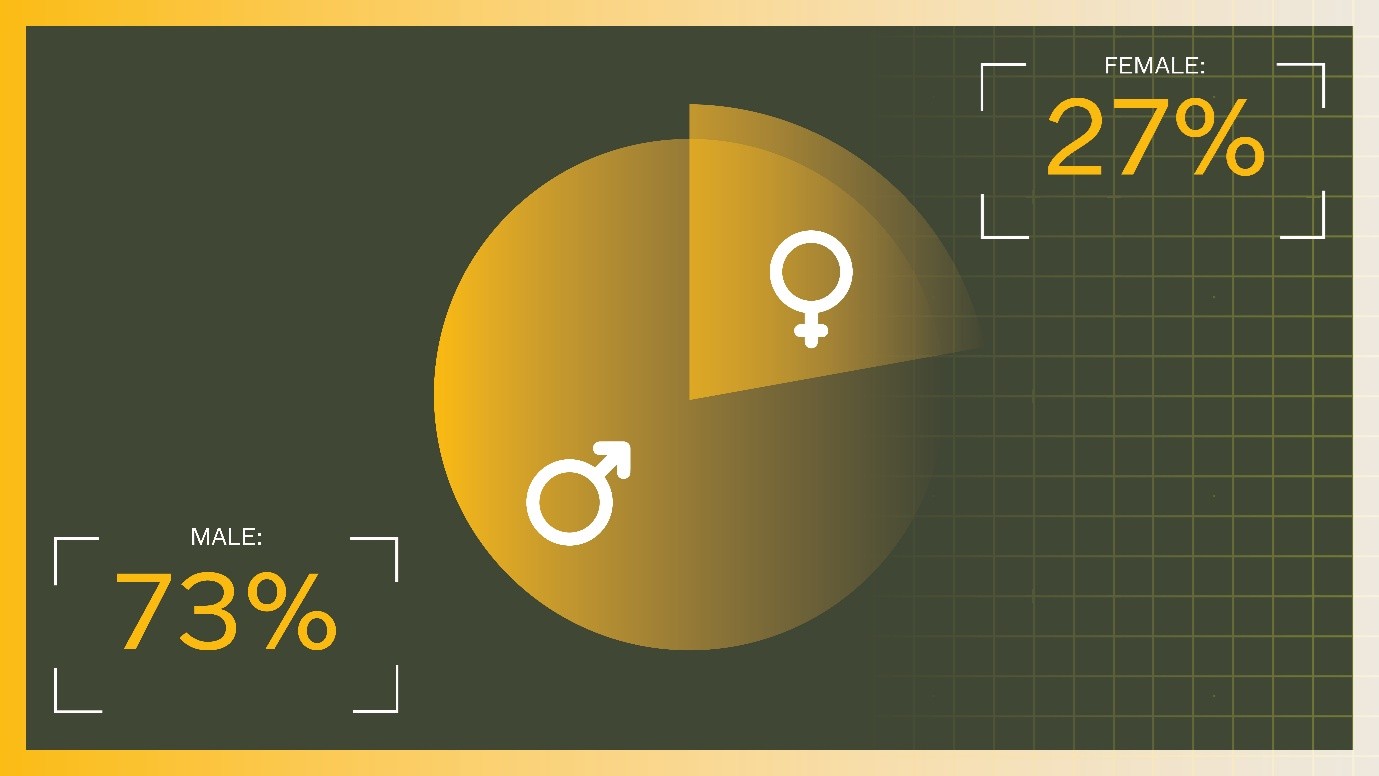
If your organisation has 27% or more female participation – whether in leadership roles or IT functions – you’re doing well. If the percentage is lower, you may be missing an opportunity.
Striving for a 50/50 gender split is ambitious given the current demographics, but improving diversity is still valuable. Organisations looking to enhance gender balance might benefit from addressing the issue earlier in the supply chain by encouraging initiatives that allow for higher participation, which will overtime address this imbalance.
#4 How Tech Talent Moves: Job-Seeking & Tenure Trends
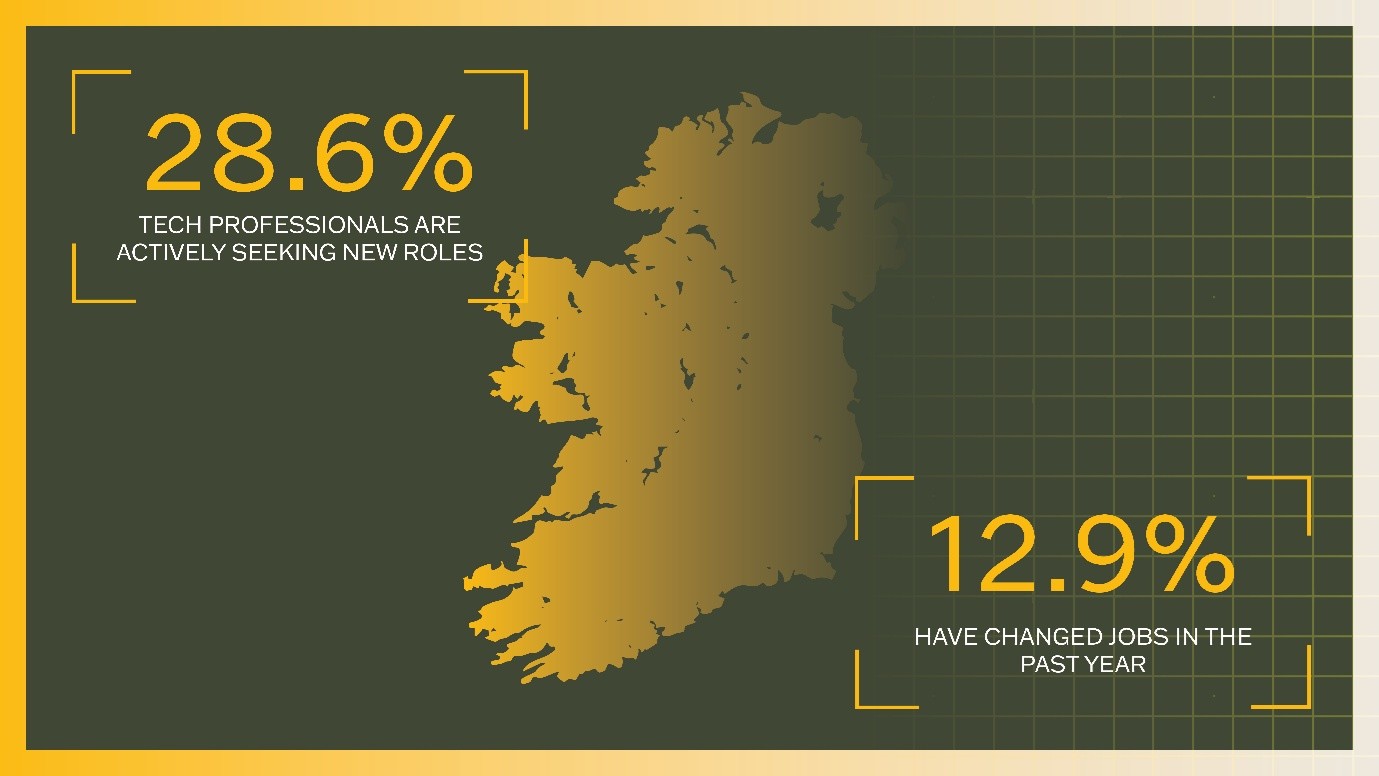
Around 28.6% of tech professionals are actively seeking new roles, while 12.9% have changed jobs within the past year. The median tenure in technology is now just two years, reflecting the sector’s fast pace and high mobility. Frequent movement is driven by skill development, career growth, better compensation, and the prevalence of contract work, which naturally shortens tenure.
Key Observations:
- The fast-changing landscape pushes professionals to keep up and try out new technologies, which can mean changing jobs more often if internal opportunities aren’t available.
- A large share of tech talent works on a contract basis, reducing average tenure and fuelling demand for skilled IT contractors as companies tackle complex projects.
- Many teams operate in project-driven environments, where even those in permanent roles may seek new opportunities once major projects conclude.
#5 Hiring Trends by Discipline: A Market Diverging
Software Engineering
Demand remains strong, but hiring has become more selective:
- Greater emphasis on full-stack and product-oriented engineers.
- Increased expectation of AI familiarity and system design capability.
AI is reshaping the job market, particularly for junior roles. A recent Irish Times report found that Ireland’s Department of Finance recorded an approximate 20% drop in entry-level technology jobs between 2023 and 2025, while demand for more experienced professionals continued to grow. As a result, companies are increasingly prioritising senior engineers and talent with AI expertise, leading to a slowdown in entry-level hiring. The longer-term pipeline risk associated with this trend is discussed in Section 7.
Data & AI
This is the fastest-evolving area:
- Significant growth in demand for data engineers, ML engineers, and AI specialists.
- Shift toward data platform and infrastructure roles.
- Rising need for professionals who can operationalise AI (MLOps).
Data from Indeed reinforces this trend: 11% of job postings now mention AI, up from just 4% in November 2023.
Cybersecurity
Cybersecurity has become a board-level priority:
- Strong demand across security engineering, GRC, and cloud security.
- Increased hiring driven by regulatory pressure and risk mitigation.
- Shortage of experienced professionals remains a challenge.
Infrastructure & Cloud
- Continued demand for cloud engineers and platform specialists.
- Growth in DevOps and SRE roles.
- Focus on cost optimisation and scalability.
Projects, Change & Transformation
- Increased reliance on contract talent.
- Demand driven by transformation programmes rather than BAU hiring.
- Strong need for professionals who can bridge business and technology.
We are seeing a sustained increase in demand for contract professionals across transformation and data programmes, as organisations prioritise flexibility over permanent headcount growth.
#6 Retention & Employer Strategy: What Actually Works
In a market where the right talent remains scarce, retention continues to be a critical priority.
Flexible & Hybrid Work
- Hybrid working (2-3 days onsite) is now the standard expectation.
- Fully remote roles still exist but are increasingly limited, largely due to legacy post-pandemic arrangements rather than widespread market availability.
- Employers offering genuine flexibility continue to hold a competitive advantage.
According to the Barden National Talent Monitor, 78% of professional roles in Ireland operate on a 2-3 day hybrid model. Fully remote roles are declining, while full-time office roles have increased to 15%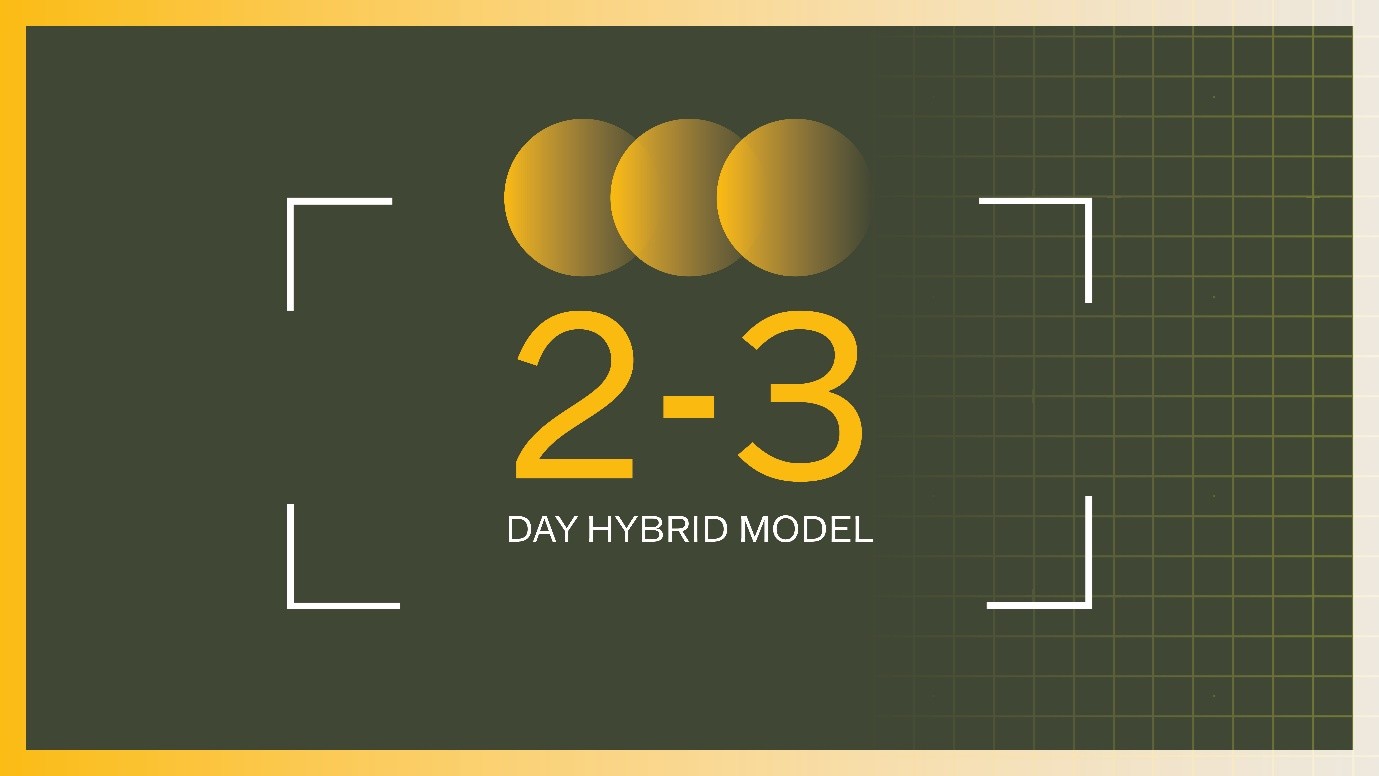
Competitive Compensation and Benefits
- A competitive salary remains essential, complemented by healthcare, pensions, bonuses, and generous annual leave.
- Barden data shows that offering 23-25 days of annual leave or more is critical; anything less puts companies at a notable disadvantage in attracting and retaining talent.
Employee Wellbeing
- Wellbeing-related benefits strongly influence employment decisions. Mercer’s 2024 Global Talent Trends report highlights that mental health support and wellbeing initiatives are increasingly valued.
- Companies that invest in wellbeing and foster positive team-manager relationships boost both retention and morale.
Internal Skill Development and Career Growth
- Access to meaningful projects and emerging technologies is a key driver of retention in the technology workforce. Reskilling and upskilling are now top priorities. Organisations that invest in training, support, and clear career pathways enable employees to grow and progress.
- Providing opportunities to work with new technologies internally also reduces turnover, as employees are less likely to look elsewhere for development.
#7 The Skills Gap and Future Talent Pipelines
Ireland continues to face a significant technology skills gap. The challenge lies less in a lack of talent and more in a mismatch between available skills and evolving business needs. Recent reports from Ibec (2025) and Generation Ireland/McKinsey highlight this – over 80% of firms report difficulty aligning talent with their requirements.
Employers particularly struggle to find people who combine:
- Strong technical expertise, especially in emerging technologies such as AI.
- Business understanding.
- Communication and collaboration skills.
Implications for Employers:
To remain competitive, organisations must shift from traditional hiring and training models toward a more dynamic, skills-based approach. This includes:
- Prioritising adaptability and learning agility over static qualifications.
- Investing in continuous, structured upskilling and reskilling programmes.
- Embedding cross-functional development to bridge technical and business capability gaps.
- Redesigning roles to evolve alongside emerging technologies.
- Strengthening internal talent mobility to better align existing skills with changing needs.
The most valuable talent is no longer defined by what they know but by how quickly they can adapt.
AI and Junior Talent:
As you can see, advances in AI and automation are accelerating the obsolescence of certain skills. Upskilling is no longer a one-off initiative but a continuous necessity. Companies are prioritising senior engineers and AI specialists, leaving entry-level talent behind. This reduction in junior hiring presents a long-term pipeline risk: if organisations stop investing in early-career talent today, the mid-to-senior talent of tomorrow will be in even shorter supply.
Junior employees bring fresh perspectives, adaptability, and a capacity to learn quickly – qualities essential in a fast-changing tech landscape. Neglecting this talent now risks losing the next generation of tech leaders, including future CTOs.
Many global firms locate in Ireland not just for tax benefits or strategic location, but for the strong university-to-industry pipeline. The steady flow of graduates and the connection between research and industry is a key part of Ireland’s appeal as a tech hub. Scaling back investment in early-career talent risks weakening the very ecosystem that attracted these companies in the first place. Hiring leaders must keep the focus on junior talent – it’s an investment in the future of innovation.
This is where Barden can help you. At Barden, we work closely with organisations across Ireland to navigate this evolving technology talent landscape. Our quarterly talent monitors combine real-time market data with on-the-ground insight to support more informed hiring decisions.
If you are shaping your technology strategy for 2026, we would be delighted to support you.
References
- ManpowerGroup Ireland (2026) Employment Outlook Survey: Q2 2026 Ireland. Available at: https://www.manpower.ie/blog/2026/03/manpowergroup-ireland-q2-2026-employment-outlook-report
- Indeed Hiring Lab (2026) Ireland Jobs & Hiring Trends Report 2026. Available at: https://www.hiringlab.org/uk/blog/2026/01/27/indeed-2026-ireland-jobs-hiring-trends-report/
- RTÉ News (2026) One in ten Irish job postings now reference AI. Available at: https://www.rte.ie/news/business/2026/0127/one-in-ten-job-postings-ai/
- ThinkBusiness (2026) AI job postings rise as remote work trends continue in Ireland. Available at: https://www.thinkbusiness.ie/articles/ireland-ai-job-postings-remote-work-indeed-2026/
- Irish Tech News (2026) Indeed 2026 trends report: AI and remote work reshape hiring. Available at: https://irishtechnews.ie/indeed-2026-trends-report-1-in-10-job-postings-now-reference-ai-while-remote-work-mentions-climb-to-new-high/
- IBEC (2025) 82% of businesses grappling with critical skills gaps as AI and digital demands accelerate. Available at: https://www.ibec.ie/
- Generation Ireland (2025) Bridging Ireland’s tech skills gap through social mobility. Available at: https://www.generationireland.com/
- TechCentral.ie (2025) Ibec report finds 82% of businesses grappling with critical skills gaps. Available at: https://www.techcentral.ie/
- Irish Times (2026) AI is turning Ireland’s graduate recruitment market upside down. Available at: https://www.irishtimes.com/your-money/2026/02/26/ai-is-turning-the-graduate-recruitment-market-upside-down/
- RTE (2026) Entry-level tech jobs being impacted by AI growth – Department of Finance. Available at: https://www.rte.ie/news/ireland/2026/0218/1559006-ai-jobs-ireland/